WhatsApp Plus Privacy Settings: How to Configure and Test Them

WhatsApp Plus Privacy Settings: How to Configure and Test Them
Release time:11 18, 2026
/
Author:Claire Simmons
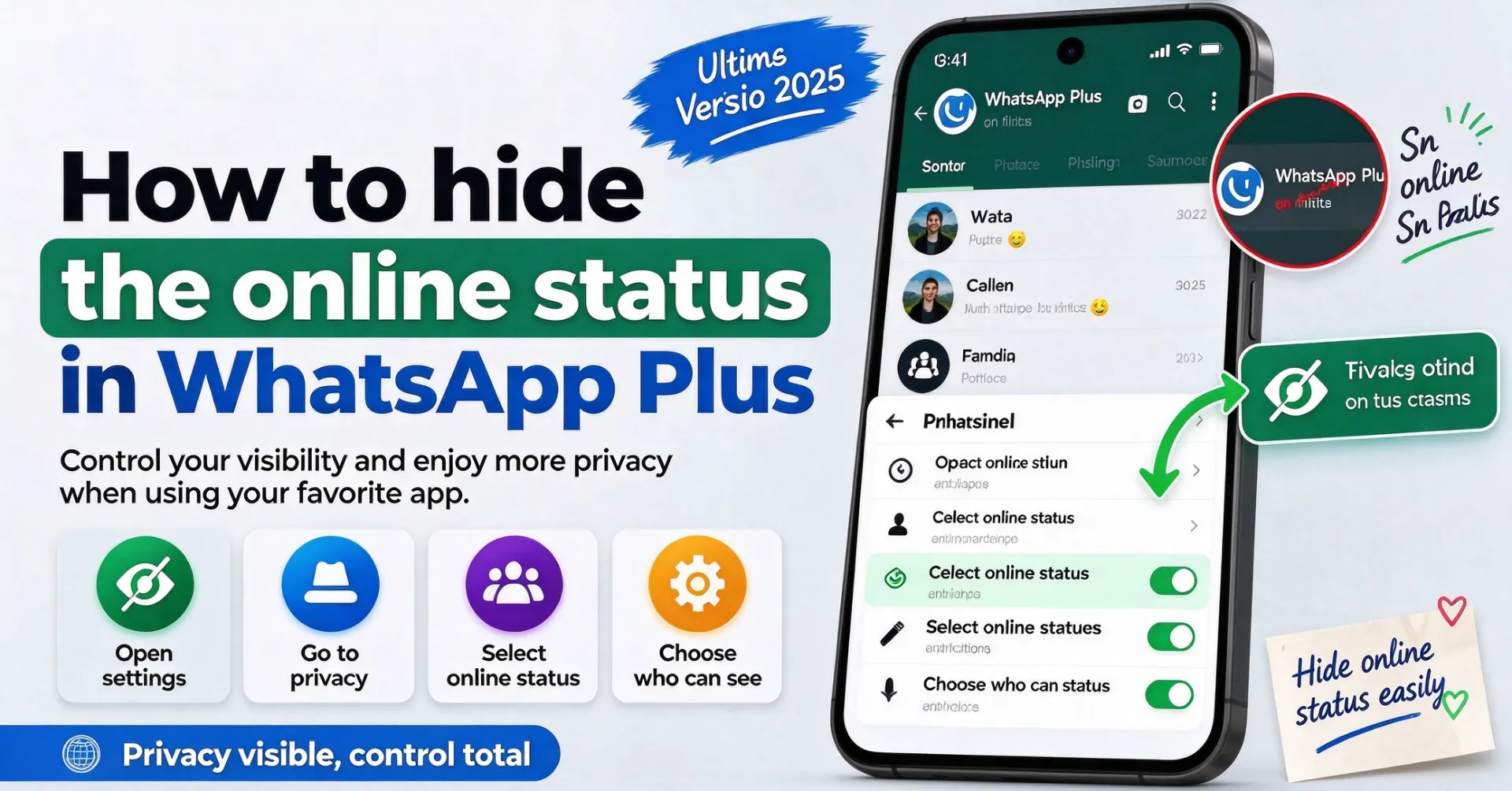
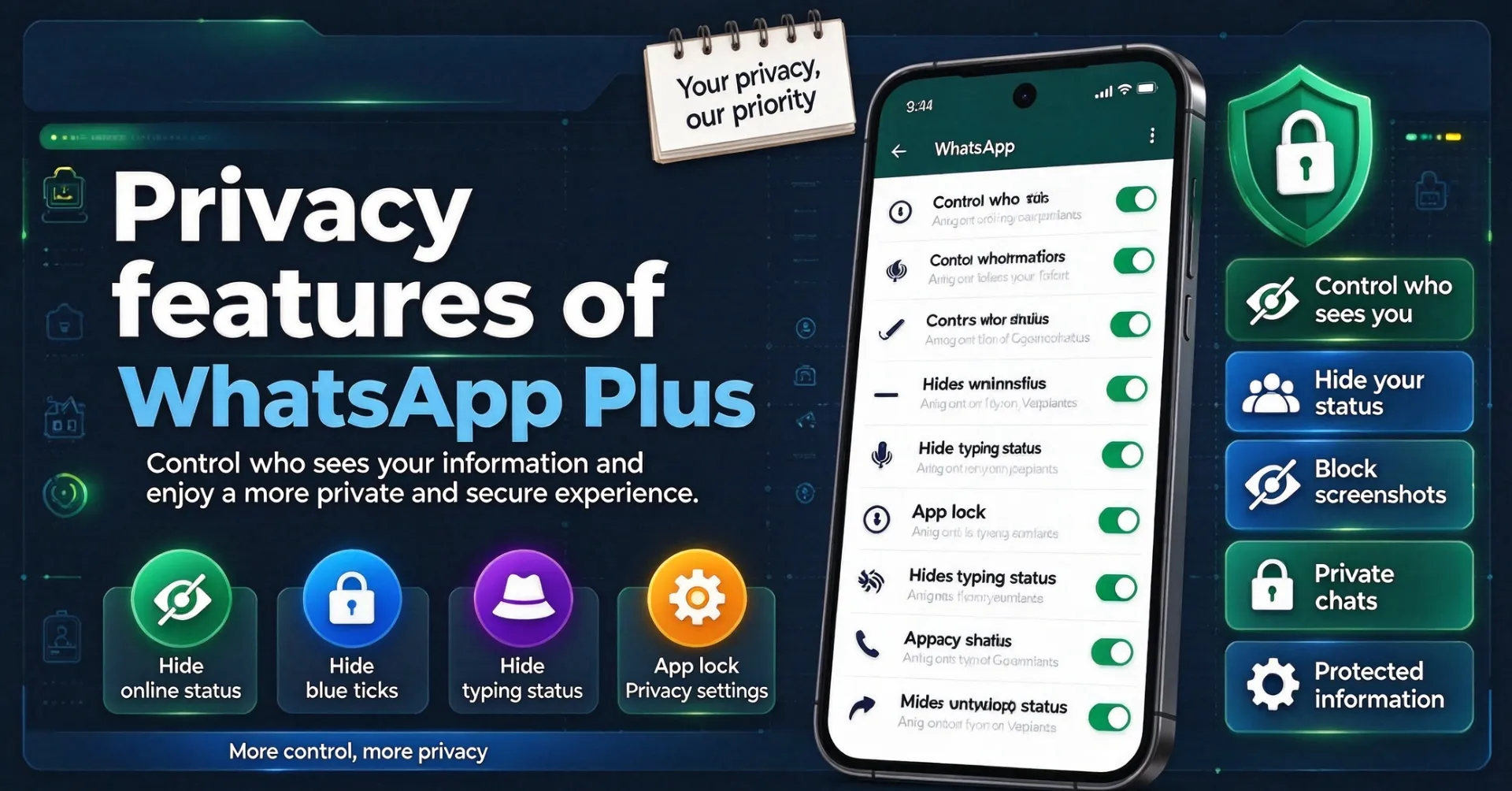
The main privacy options in WhatsApp Plus focus on visibility settings such as last seen, online status, read receipts, typing indicators, recording indicators, and status updates. Simply enabling an option is not enough. You should test the result on your own installation because menu names, available controls, and actual behavior can differ between builds.
The practical goal is to select privacy settings while understanding exactly what each option hides and what it does not. To avoid creating additional problems, change one setting at a time and verify the result before adjusting another option.
WhatsApp Plus remains an unofficial third-party application. Although its last seen, online, read receipt, typing, recording, and status controls may provide additional flexibility, you should verify the APK source, keep a current backup, and be prepared for compatibility or account-related changes.
Check Your Version Before Changing Settings
Before configuring these privacy controls, check the installed version, review the current state of your conversations, and make sure sufficient storage space is available. A quick check can help prevent unnecessary reinstalls later.
Change One Privacy Option at a Time
Change each privacy option individually before enabling several options together. If something behaves unexpectedly, testing one adjustment at a time makes it much easier to identify the setting responsible.
Test the Setting With a Trusted Contact
For each privacy feature, test the result with someone you trust. After the initial check, confirm the behavior with a non-critical chat, file, or contact before relying on the configuration.
How to Test WhatsApp Plus Privacy Settings
The process of selecting privacy settings should be gradual. The following steps are arranged so that you can verify each result before applying another change that could affect your data, account, or installation.
-
Configure individual privacy controls before enabling multiple options together.
-
Test the behavior with a trusted contact.
-
Check group conversations because some privacy rules may behave differently in groups.
-
Verify whether calls still expose activity or presence information.
-
Remember that hiding an activity indicator does not protect information stored on your device.
-
Use screen protection and secure backups in addition to visibility controls.
Check Privacy Controls in Group Chats
When checking a privacy option, review your group conversations as well because certain settings may behave differently there. Avoid performing this test at the same time as an app reinstall or data reset unless there is a genuine need to do so.
Check Whether Calls Reveal Activity
On a real device, check whether calls continue to reveal activity or presence information. Perform this test before changing unrelated settings so that any unexpected behavior can be traced to a specific adjustment.
Remember That Privacy Indicators Do Not Protect Local Data
Hiding a presence indicator does not secure the data stored locally on your phone. After making a change, verify the result with a low-risk conversation, file, or contact before depending on the setting.
Verify Settings After Activation
Do not consider the setup complete simply because an option has changed color or appears enabled. A more reliable test is to check the result from another contact, device, or test file, depending on the privacy control being evaluated.
Test the Settings After Restarting the App
It is also useful to test what happens after closing and reopening the application. If the last seen, online, read receipt, typing, recording, or status settings stop working after a restart, examine permissions, battery restrictions, and whether the installed build properly saves the selected preferences.
Decide Whether to Keep or Disable the Setting
A useful privacy test should end with a clear decision: keep the setting if it provides the expected level of control, adjust it if the result is incomplete, or disable it if the added complexity creates more problems than benefits.
Common WhatsApp Plus Privacy Problems
A common mistake with WhatsApp Plus privacy controls is assuming that the same options will behave identically on every phone. Android versions, manufacturer settings, application builds, and granted permissions can all influence the result even when the setting has the same name.
Avoid Changing Multiple Settings at Once
Another frequent issue occurs when several options are changed simultaneously. If something stops working afterward, it may be impossible to identify the cause. When troubleshooting last seen, online, read receipts, typing, recording, or status controls, return to a simple configuration and test each change separately.
Check Basic Settings Before Clearing App Data
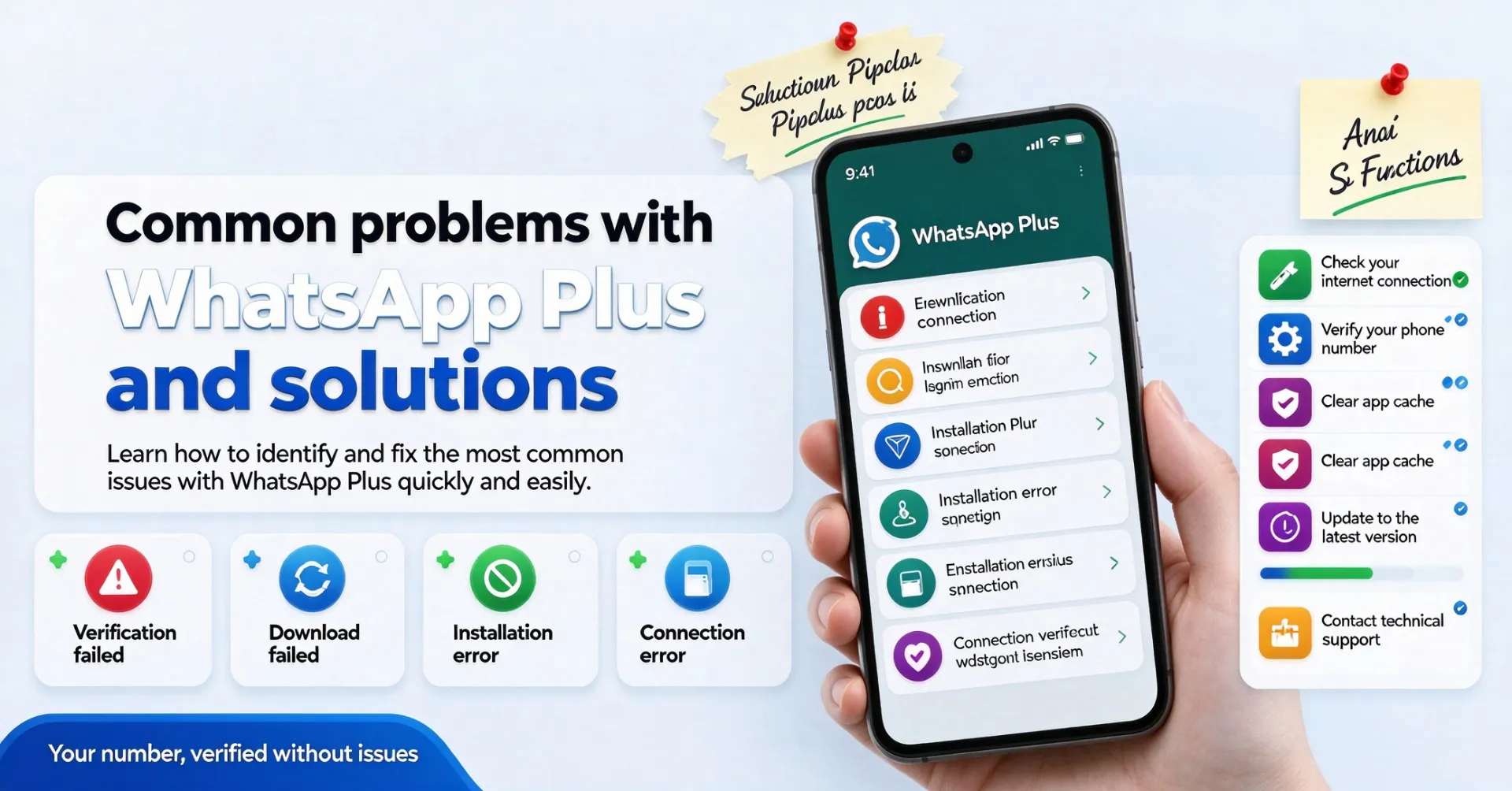
If these privacy controls stop responding, do not immediately clear the application data. First check the cache, permissions, available storage, network connection, and installed version. These steps are generally easier to reverse and reduce the risk of losing locally stored information.
Do Not Rely on Marketing Claims
When evaluating WhatsApp Plus privacy controls, do not treat promotional language as technical proof. Claims such as “completely secure” or “guaranteed anti-ban” should not replace checking the APK source, maintaining a current backup, and understanding the risks involved.
WhatsApp Plus Privacy and Security Considerations
The security of WhatsApp Plus privacy features depends not only on the individual setting but also on the APK and build you have installed. A privacy option may hide certain information from contacts while the application itself remains third-party software that is not officially reviewed by Meta.
Keep a Current Backup
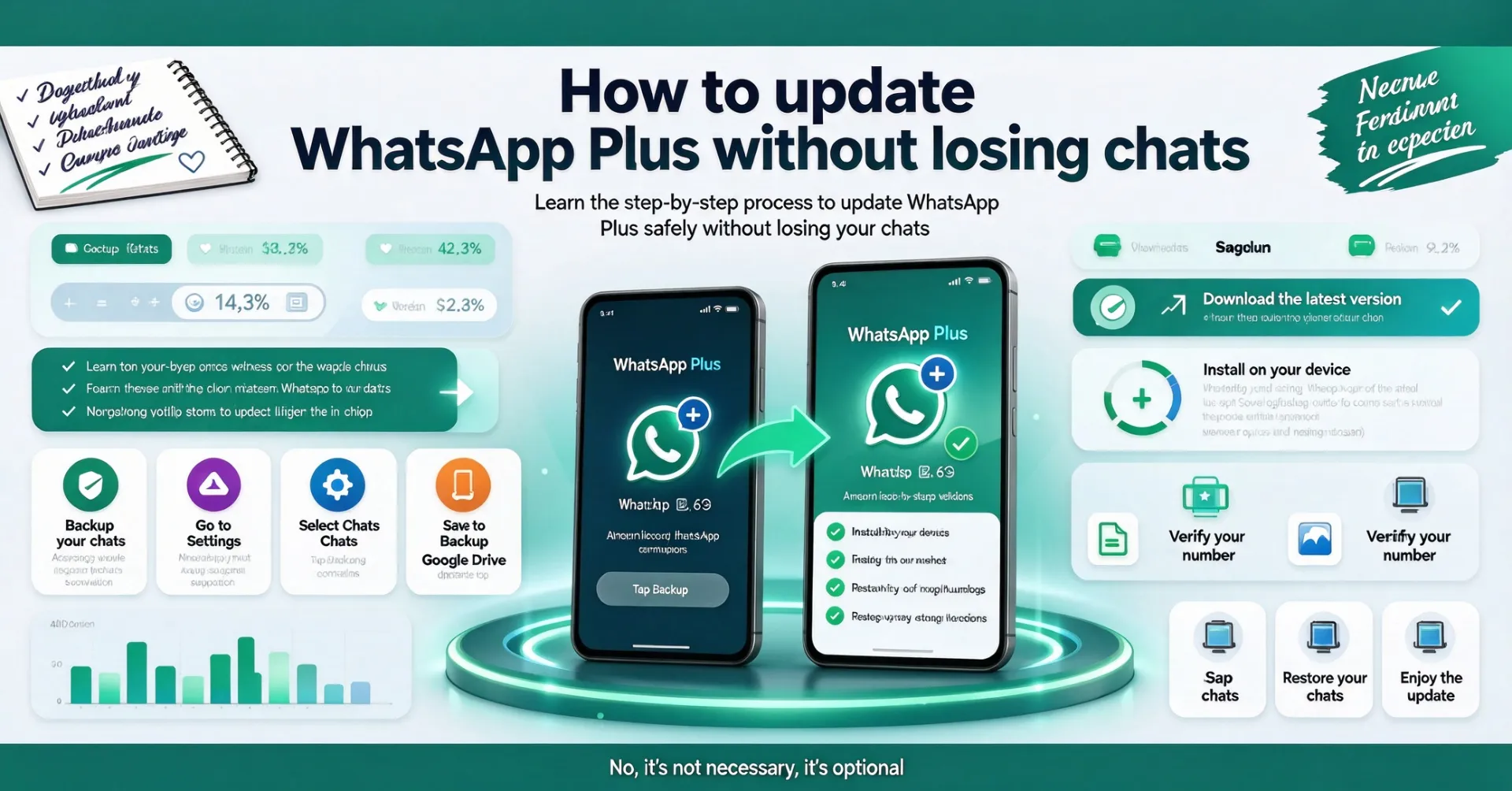
Keep a recent backup before updating, reinstalling, or transferring application data. If these privacy controls involve messages, media files, or account information, never experiment with the only available copy of important data.
Review Requested Permissions
Permissions should be reasonable for the function being used. If a privacy-related action requests access that appears unrelated or excessive, stop and verify the source and build of the application before proceeding.
Consider the Importance of Your Account
If the account is important for work, family, or other essential communication, consider what would happen if a privacy control stopped working or the account became restricted. Additional customization can be useful, but it does not remove compatibility, account, or support risks.
Best Practices for Managing Privacy Settings
Keep a simple record of the installed version, update date, and important privacy settings. If something changes later, this information can help determine whether the problem appeared after an update or after a configuration change.
Avoid Unnecessary Privacy Add-Ons
Avoid installing multiple add-ons that attempt to provide the same privacy function. Adding more layers around last seen, online, read receipt, typing, recording, and status controls can make troubleshooting more difficult and may increase background resource usage.
Read the Exact Description of Each Setting
Before enabling a WhatsApp Plus privacy option, read its exact name and description. Two controls may appear similar while applying to individual chats, groups, or all contacts in different ways.
Test Settings After Every Update
If you depend on these privacy controls regularly, perform a quick test after each application update. A new build may relocate a setting, resolve an existing issue, or alter a limitation that previously appeared stable.
Troubleshooting WhatsApp Plus Privacy Controls
Consider a practical example: you enable the last seen, online, read receipt, typing, recording, and status controls, and everything initially appears correct. After restarting the phone, however, the behavior changes.
In this situation, first check the installed version, then review permissions, and finally examine battery or storage restrictions that could affect background activity.
Test With Different Network Conditions
When testing WhatsApp Plus privacy options, repeat the check under different conditions. If the original test used Wi-Fi, try mobile data. If you tested an individual contact, compare the result with a group or another device to determine whether the behavior depends on the environment.
Consider Android Manufacturer Restrictions
The phone manufacturer can also affect the outcome. Some Android interfaces restrict background processes, rename permission categories, or aggressively stop applications to reduce battery consumption. As a result, two phones running the same application version may produce different results.
Return to a Simpler Configuration When Necessary
The final decision should be based on whether the privacy configuration consistently provides the control you actually need. If a feature works only intermittently, forces you to disable important protections, or creates a risk of losing valuable data, returning to a simpler and more stable configuration may be the better choice.
Frequently Asked Questions
Do These Privacy Controls Work With Every WhatsApp Plus Version?
Not necessarily. WhatsApp Plus privacy functions depend on the particular build installed. After an update, an option may be renamed, moved to another menu, or behave differently.
Should I Create a Backup Before Changing These Settings?
Yes, particularly when the privacy configuration involves updating, reinstalling, transferring application data, or changing packages. A simple visibility adjustment may not require a backup by itself, but keeping a current backup significantly reduces the potential impact of unexpected problems.
What Should I Do If I Cannot Find a Particular Privacy Option?
Start by checking the installed application version and looking for equivalent settings under related privacy menus. If your build does not provide a specific last seen, online, read receipt, typing, recording, or status control, avoid installing unfamiliar tools simply to add that functionality.
Are These WhatsApp Plus Privacy Features Officially Provided by Meta?
No. These options belong to the unofficial WhatsApp Plus ecosystem. Their availability, behavior, support, and associated risks may therefore differ from those of the official WhatsApp application.
What Is the Most Important Test to Perform?
The most useful check is to confirm on your own device that the selected privacy setting produces the expected result without causing data loss or introducing new problems. Perform a small test first before relying on the feature for everyday communication.
Final Thoughts on WhatsApp Plus Privacy Settings
WhatsApp Plus privacy controls can be useful when they address a genuine need and their behavior can be verified on your own device. The safer approach is to keep only the settings that provide the expected result without unnecessarily compromising your conversations, application stability, or account access.
Latest Recommendations
More-
-
-
-
-
-
-
-
How to Save WhatsApp Status with WhatsApp Plus
11 18, 2026
Editor's Picks
More-
View
 Case of Wind Traveler A
7.53M
-
View
 Call of Duty Mobile
2330.36M
-
View
 Flight Pilot Simulator 3D
359.08M
-
View
 Crowd Evolution
302.93M
-
View
 Farm City
249.47M
-
View
 Subway Surfers Blast
173.90M
-
View
 Zooba
155.86M
-
View
 Mars Survivor
317.29M
Question
- Download failed
- Outdated Resources
- Resource Error
- Viral Applications
- Pornography
- Gambling
- Political Unrest
- Fraud
- Infringement
- Other
Description
Tel
Report or Correction